Why Scheme 33 Karachi Is a Leading Residential Hub
Scheme 33 is the kind of place Karachi buyers either dismiss as "too far out" or quietly end up living in — and it's usually the second. Here's the honest case for why Scheme 33 Karachi has grown into one of the city's leading residential hubs.
Available now
Looking to buy rather than read? Tulip Comforts — or browse all Karachi inventory.
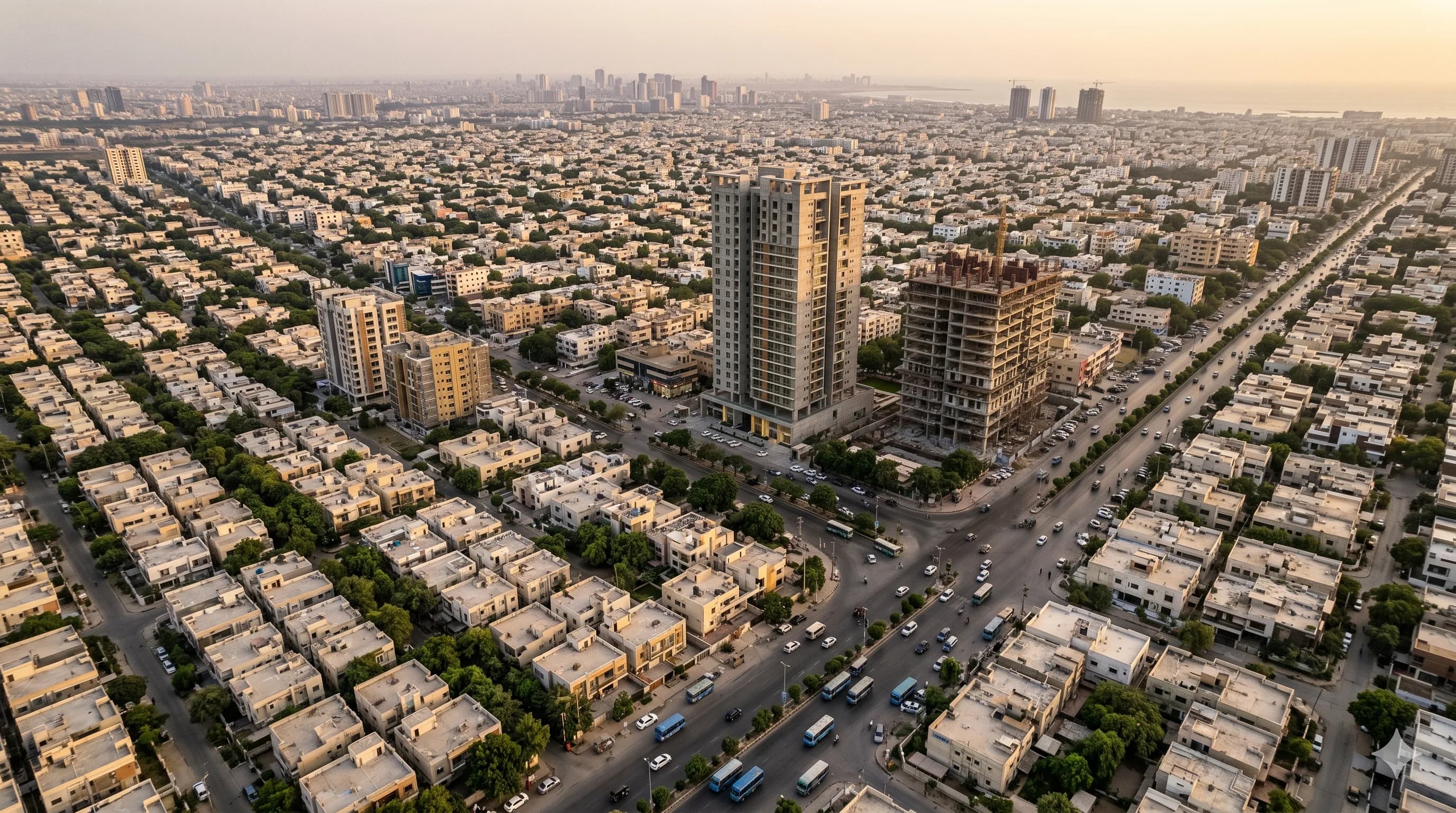
Scheme 33 is the kind of place Karachi buyers either dismiss as "too far out" or quietly end up living in. The truth sits closer to the second. Scheme 33 Karachi has grown from a planned scheme on the city's northern edge into one of its busiest residential belts, and for a large share of first-time buyers, families and investors it's now the default answer rather than the compromise. The case for calling it a leading residential hub isn't about hype — it rests on scale, connectivity and the sheer number of people choosing to live there.
What makes Scheme 33 Gulzar-e-Hijri tick
Scheme 33 — known locally as Scheme 33 Gulzar-e-Hijri — isn't a single neighbourhood so much as a planned belt of more than fifty sectors stretching north from University Road toward the Super Highway. It was laid out as a formal scheme in the early 1970s and managed at the city level, which is why its road grid and sector planning feel more deliberate than the organic sprawl of much older parts of Karachi.
That scale is the first thing to understand about it. Inside its boundaries you'll find everything from cooperative housing societies and bungalow plots to dense clusters of new high-rise towers, spread across a few hundred residential societies. For a buyer, that breadth is both the appeal and the homework: the scheme spans a wide range of budgets and build quality, so "buying in Scheme 33" can mean very different things depending on which pocket you pick. The area rewards buyers who treat it as a collection of distinct neighbourhoods rather than one uniform address.
Connectivity: why the Scheme 33 location works
A residential hub lives or dies on how easily people can get out of it, and the Scheme 33 location is better connected than its "outer edge" reputation suggests. University Road runs along its southern flank, the Super Highway anchors the north, and Abul Hassan Isphahani Road ties it back toward Gulshan-e-Iqbal.
From most of the scheme, the practical map looks like this:
- Gulshan-e-Iqbal and Gulistan-e-Johar are immediate neighbours, minutes away
- The Super Highway opens up the rest of the city and the route toward the motorway network
- Jinnah International Airport is roughly a 25-minute drive in normal traffic
- The University of Karachi and NED University sit close by, along with hospitals like Memon Medical and Dow University
For end-users, that means daily errands stay local rather than turning into cross-city trips. For investors, it means a built-in tenant base of students, faculty and medical staff who need housing near where they study and work — the kind of steady, non-speculative demand that keeps a unit occupied.
Apartments in Scheme 33: who's buying and why
The clearest signal of a leading residential hub is who's actually putting money in. Apartments in Scheme 33 draw three distinct buyers at once, which is unusual for a single area.
- First-time buyers, who get more square footage here than the same budget buys in DHA or Clifton
- Families trading up from rented flats, drawn to newer construction and planned sectors
- Yield-focused investors, who like the rental demand the universities and hospitals generate
Affordability is doing much of the work. Living in Scheme 33 generally costs less per square foot than the established southern neighbourhoods, without the long wait that buying on the true outskirts involves. The range of flats in Scheme 33 — from modest two-bed units to large family duplexes — means the area isn't tied to one income bracket, which is exactly what keeps both its resale and rental markets liquid. A neighbourhood that works for several types of buyer at once is far harder to get stuck in than one built around a single segment.
New projects in Scheme 33 worth knowing
What has tipped Scheme 33 from "large" to "leading" over the past few years is the wave of new construction. New projects in Scheme 33 have shifted the skyline from low-rise societies toward planned high-rise living, with amenities — lifts, managed security, green space, backup power — that older stock simply doesn't offer.
Two examples show the spread. Near Rim Jhim Towers, Tulip Comforts is a newer pre-launch development offering 3-bed apartments and 4-bed duplexes, an accessible entry into a fast-developing pocket. Closer to Safoora Chowrangi, Saima Dreams brings larger family apartments to one of the scheme's busiest junctions. Different price points and different buyers, but the same underlying trend: purpose-built residential towers steadily replacing ad-hoc development.
Developers commit to high-rise stock where they expect sustained demand — so a building boom is itself a read on where an area is heading.
For anyone weighing the area, these projects are also the easiest way to gauge its direction. Where serious developers are putting up towers tends to be where the next decade of demand is expected to land.
What to weigh before buying in Scheme 33
None of this makes Scheme 33 a blanket "yes." Because the scheme is so large and varied, the single most important decision is which sector and which society you buy into — infrastructure, security and resale strength differ sharply from one pocket to the next.
A few things worth checking before committing:
- The specific sector's development status — some are fully serviced, others still maturing
- The society's or building's approvals and NOC position
- Road access and the real daily commute from that exact spot, not the scheme in general
- For new towers, the developer's record and a realistic possession timeline
These are the same checks our advisors work through before recommending anything here. In a scheme this size, the right question isn't "is Scheme 33 good?" but "which part of Scheme 33, and which building?" — and that's a question worth answering before any money moves.
Scheme 33's case as a leading residential hub rests on something simpler than marketing: scale, genuine connectivity, and a deep mix of buyers who keep choosing it. If it's on your shortlist, the useful next step is to narrow down to the sectors and projects that fit your budget and commute, then see a few in person. Our advisors can map the right pockets to what you're after.
Featured for you
Properties mentioned in this guide.

Tulip Comforts
Scheme 33
Starting from
PKR 1.95 Cr
Starting From
2 Bed DD / 3 Bed Lounge
Luxury 2, 3 & 4 Bedroom apartments in Scheme 33. Flexible 5-year installment plan. Book now at pre-launch rates!
Ready to act on this?
Browse curated Karachi inventory.
Filter pre-launch developments and ready-to-move listings by location, type and budget — or have a senior advisor source what isn’t listed.